Today November 13, 2025, 05:24 PM
Today November 13, 2025, 05:24 PM
By ALANIS THAMES
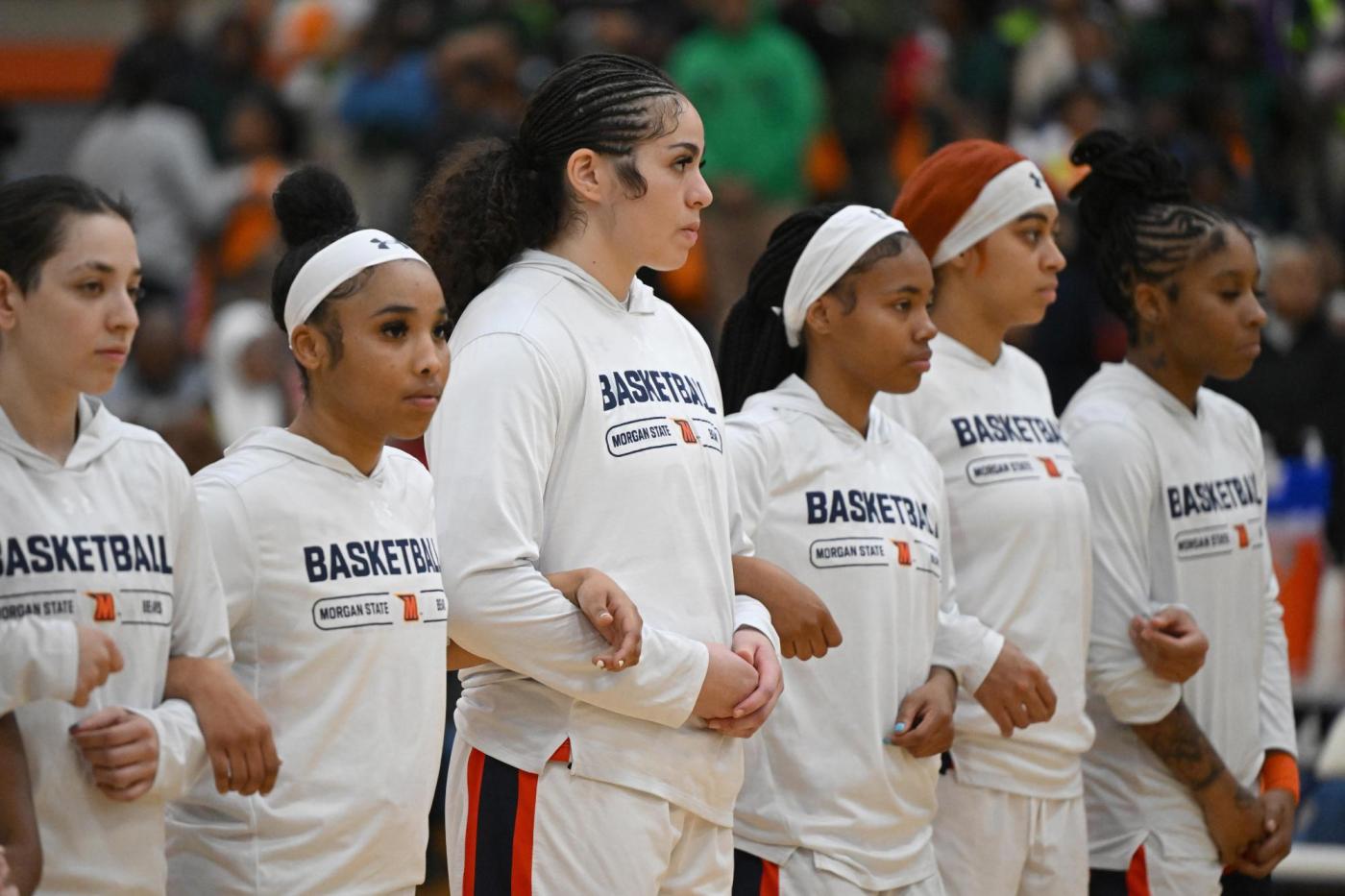
Morgan State athletic director Dena Freeman-Patton faced a tough choice this year as she considered a new framework that allows colleges and universities to pay athletes directly.
While opting in to the House settlement allows schools to remain competitive and attract top athletes, it can also create new financial pressure. Meanwhile, there are concerns that new limitations on roster sizes could shut women out from opportunities to compete, especially in non-revenue-producing sports like track and field.
This is a familiar conundrum for leaders across the U.S. in the wake of the $2.8 billion antitrust settlement, which dismantled an amateur model that defined college sports for more than a century. But the challenges are especially acute for historically Black colleges and universities like Morgan State and other underfunded schools that remain committed to women’s sports even as they navigate fierce budget pressures.
“When you make that decision then your question is, ‘OK, where’s the money coming from?’” Freeman-Patton said. “One of the things we were adamant (about) is that we’re not going to cut from what we are already offering to our student athletes.”
“Especially,” she added, “our women’s programs.”
Morgan State is one of more than 300 schools that ultimately agreed to the settlement, which took effect in July. The school committed to equal revenue-sharing pools for men’s and women’s programs. But the revenue tied to athletics at Morgan State — about $21.7 million in the 2023-2024 fiscal year, according to federal Equity in Athletics Disclosure Act filings — pales in comparison to the hundreds of millions that bigger schools in the Power Four regularly rake in.
As schools grapple with the new framework, female athletes say the benefits largely favor football and men’s basketball players. That, they say, poses a serious equity risk by including virtually no mandates on gender parity and relying on schools to uphold Title IX on their own.
“I don’t even see how the spirit of Title IX is kept in place, let alone Title IX at all,” said bobsledder Elana Meyers Taylor, a five-time Olympic medalist and former softball player at George Washington. “You’re talking about maybe top SEC schools that can actually afford this. What are the other schools going to do?”
Some of those smaller schools are already cutting sports in anticipation of the sweeping changes, which include roster limits.
Prairie View A&M, a Texas-based HBCU with about a $15.4 million operating budget in the 2023-24 fiscal year, recently cut its women’s and men’s tennis programs. The school cited a “tough decision” tied to “the evolving landscape of collegiate athletics.”
In May, Stephen F. Austin announced it would eliminate beach volleyball, bowling and men’s and women’s golf programs for budgetary reasons. A Title IX lawsuit brought by six female athletes temporarily blocked the cuts, a development that might discourage more schools from cutting programs.
In the meantime, some athletes say they’re confused about what the future holds for their sport.
“The lack of information is scarier than the settlement itself,” said Emily Pierce, a distance runner at Campbell, “because most of us aren’t fully sure what it means or how it will impact us.”
Roster cuts have already affected some of the athletes on her team, which she hopes could benefit from improved facilities and increased recruiting support through the settlement.
“The roster cuts have been pretty scary, and it’s definitely taken a toll on my team knowing that there may be more in the future,” Pierce said. “We just want to make sure opportunities aren’t taken away, especially in women’s sports, where it’s taken such a long time to get to where we are now.”
No HBCU has the $200 million operating budget of many Power Four schools. But some went along with the settlement anyway because they feared opting out would make it even harder to recruit athletes and generate more revenue. Many of the schools that agreed to the settlement are finding creative ways to come up with the money to pay their athletes.
“We’ve always felt we’ve had the short end of the stick,” said Linda Bell, athletic director at Dillard, Louisiana’s oldest HBCU. “We’ve always been able to adjust and adapt. And so what we have to do now is adjust and adapt to these ways.”
Some are looking beyond traditional game-day revenues by opening their arenas and stadiums for concerts and community events to generate additional income. Tara Owens, athletic director at the University of Maryland Eastern Shore, said her school will opt into the settlement for only men’s and women’s basketball — its only revenue-generating sports.
It’s common for bigger power-conference schools to pay smaller Division I schools to visit and help fill out their non-conference schedules, a practice called “guarantee games.” The Maryland Eastern Shore men, for example, are playing at Georgia Tech, Georgia, Nebraska, Creighton, Virginia and Virginia Tech this season. The women are going to Northwestern, Oklahoma and Virginia.
And Owens has plans for those checks.
“We don’t have football,” Owens said, “so that helps us a great deal. And women’s and men’s basketball, their revenue sharing will come from their guarantee games, so it is not even using operational dollars from the institution. We decided that we would pull from one source. That would be it to start us off and we’ll see how it goes.”
If there’s an upside to all of the changes, Sydney Moore hopes that it is a reignited conversation on Title IX, which is supposed to ensure that there’s a proportionality to the access and opportunities for male and female athletes. She said many schools are still falling short, especially for women in non-revenue-generating sports who struggle to secure basics like access to trainers and facilities.
“There is a feeling on campuses that there are perks to being a football player, basketball player or a high-attention, high-prioritized sport at some of these Division I institutions that are so beyond the resources we get,” said Moore, a former volleyball player at Cornell and Syracuse. “I’m talking about, ‘Why can a football player go in and get a haircut at any time of the day and we don’t have applesauce in the snack room?’”