Today November 14, 2025, 09:27 PM
Today November 14, 2025, 09:27 PM
By SUSAN HAIGH
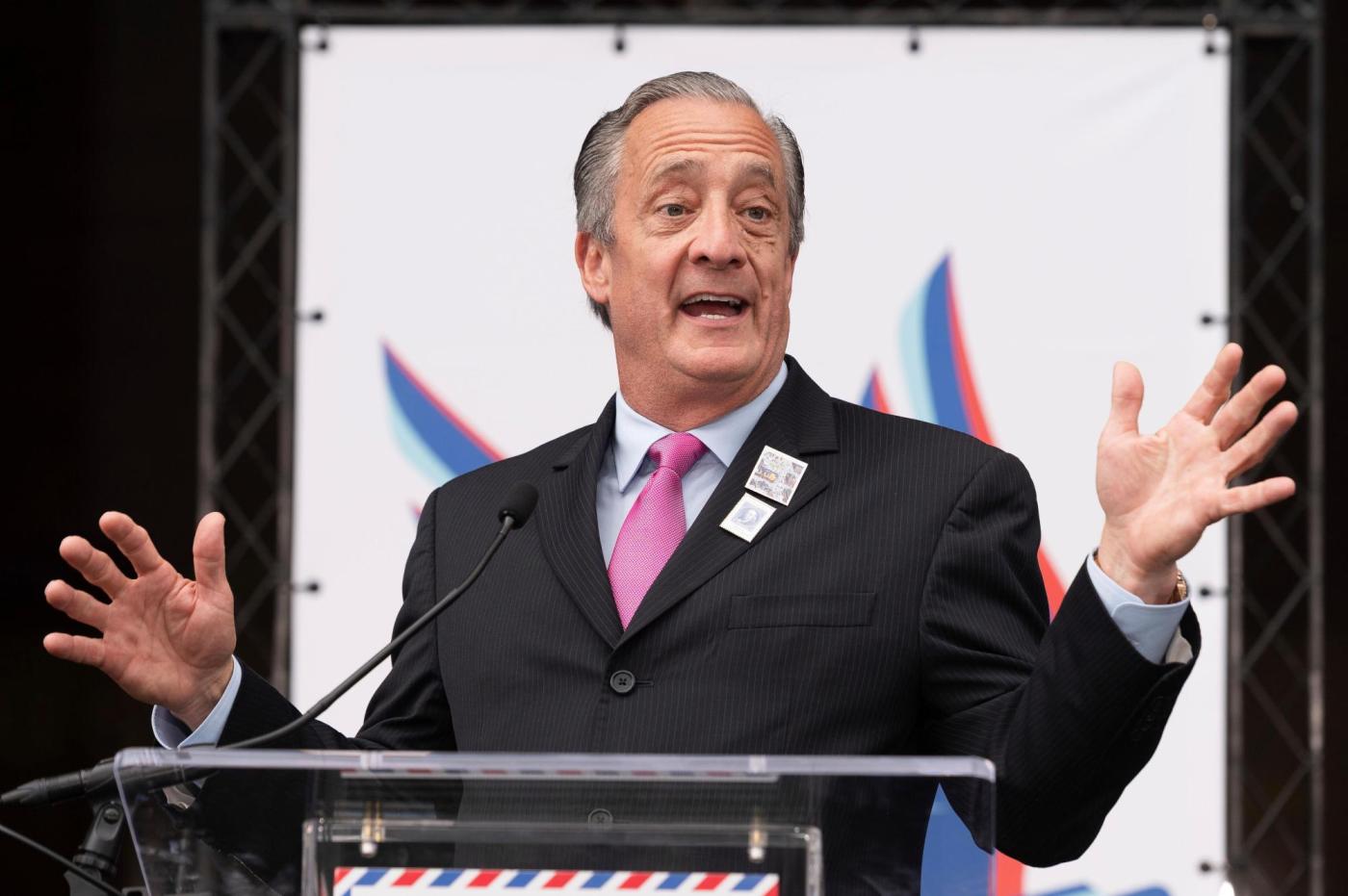
The U.S. Postal Service can’t fix its finances through cuts alone, Postmaster General David Steiner said Friday.
One way it can do that, Steiner said during the Postal Board of Governors meeting in Washington, is by working with more customers to provide final or “last mile” delivery to individual home and businesses, the most expensive and labor-intensive part of delivery.
“I’ve taken to saying that we cannot cost-cut our way to prosperity,” Steiner said. “We have to grow.”
Steiner said the postal service, which has faced an uncertain future since President Donald Trump’s election to a second term, is currently negotiating deals with private parcel delivery service UPS and similar companies to expand its last-mile service for the final leg of delivery. He said USPS also wants to open up that program to large and small retailers, offering same-day and next-day delivery.
“We’ve begun discussions with a number of retailers and the desire for fast, reliable and affordable delivery is certainly strong among all retailers,” he said. “Our value resides in going to every address six and often seven days a week while offering a remarkable retail and processing footprint.”
Steiner, who began as postmaster general in July, was previously a board member of the FedEx delivery service.
While a new financial report released Friday showed operating revenue of $80.5 billion, an increase of $916 million from last fiscal year, the postal service suffered net losses totaling $9 billion. It marks a slight improvement from the previous fiscal year, when the net loss was $9.5 billion.
Amber McReynolds, who was re-elected chair of the Postal Board of Governors on Friday, said “long-standing and unnecessary restrictions” are weighing down USPS’s bottom line and “highlight the urgent need for executive and legislative action” so the postal service can be financially sustainable for the long-term. USPS is an independent and mostly self-supporting federal agency.
She said the postal service is currently required to pay a “disproportionate share” into its retiree system compared to other federal agencies. It’s also only allowed to invest postal retirement funds in treasury securities, losing out on hundreds of billions of dollars that could be invested in a diversified portfolio, she added.
McReynolds also called for congressional updates to USPS’s pricing system, its workers’ compensation program and its borrowing limits, which haven’t been changed since 1991.
“This is urgent and it is time for action,” she said.
Steiner warned Friday there’s also a need to cut costs at the post office, be more efficient and use innovative methods, including bringing artificial intelligence into the USPS logistics network.
“To do all of this, we need capital and the ability to leverage our assets,” he said. “We should be able to borrow like our competitors, who are not limited by statute.”
Steiner, who said he has visited more than 20 postal facilities and spoken with thousands of postal workers and stakeholders during his first 100 days on the job, made it clear Friday he plans to mostly stay the course with the $40 billion, 10-year modernization and financial stabilization plan launched by his predecessor, Louis DeJoy.
He said the progress made so far has empowered the USPS to “reach new levels,” noting on-time mail delivery has been steadily improving and most customers can expect delivery of their mail and packages in less than three days on average. However, he said more improvements are still needed.
With the busy holiday season looming, Steiner said the postal service is ready, noting $20 billion has been spent over the past four years on mail processing and logistics modernization. Also, due to a “stabilized workforce,” only a “modest” number of seasonal employees of roughly 14,000 people will need to be hired.
While multiple members of the public on Friday voiced concerns about the postal service possibly being privatized, an idea raised by President Donald Trump and his former adviser, Elon Musk, McReynolds tried to quash the notion.
“There are no proposals or plans to privatize the postal service,” she said. “The new postmaster general has talked at length about that in his public comments and the board certainly has shared that sentiment as well.”