Today November 27, 2025, 05:54 PM
Today November 27, 2025, 05:54 PM
Cancer is the second leading cause of death worldwide.
Unfortunately, there is a lack of awareness of the link between lifestyle factors and cancer. In fact, an estimated 30 to 50 percent of all cancers are linked to modifiable risk factors. Food and nutrition is a top lifestyle factor that is a significant cancer risk contributor. The good news is that taking steps with diet and nutrition for cancer prevention is actually easier than it may seem.
Scientists have long known that cancer develops through a series of cellular changes influenced by inflammation, DNA damage, immune function and hormones. The foods and nutrients we consume affect each of these pathways. Diets high in ultra-processed foods, added sugars and even some processed meats can increase inflammation and oxidative stress, conditions that create an environment where abnormal cells are more likely to thrive. Conversely, nutrient-dense foods that provide antioxidants, fiber and phytochemicals help protect cells, regulate hormones and support the body’s natural repair mechanisms.
One of the strongest areas of evidence relates to body weight and cancer risk. Excess body fat is associated with at least a dozen types of cancer, including breast (post-menopausal), colorectal, pancreatic, kidney and endometrial cancers. What we eat not only influences body weight, but also affects insulin levels, gut health and chronic inflammation, all of which play roles in the development of cancer.
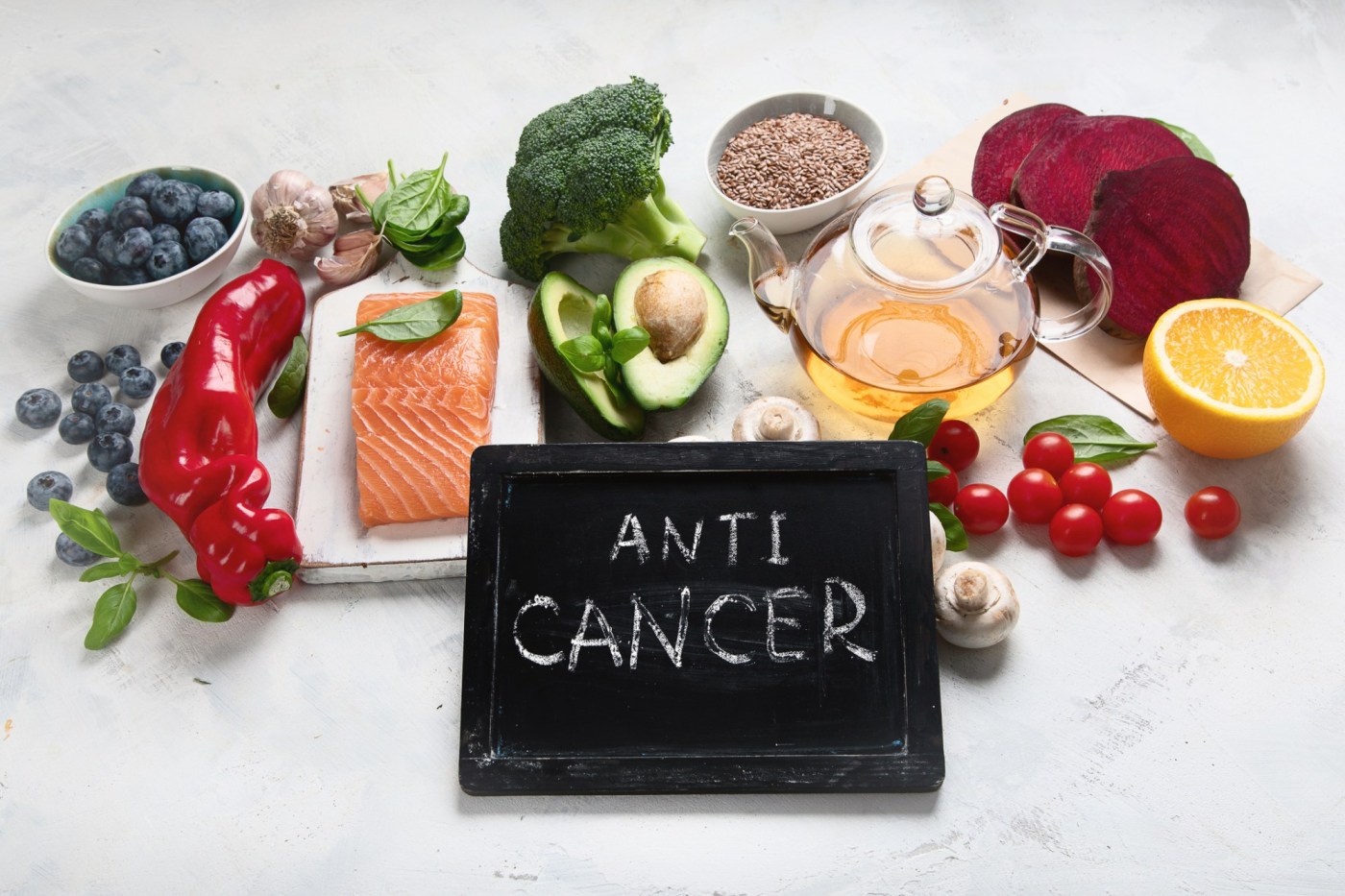
So what is the best diet to prevent cancer? Plant-forward eating patterns continue to show protective effects. Eating plenty of vegetables, fruit, whole grains, beans, nuts and seeds provides fiber that nourishes beneficial gut bacteria. These bacteria help regulate inflammation and produce short-chain acids that support overall health. Fiber also speeds the passage of waste through the digestive tract, which is one reason its intake is linked so strongly to lower colorectal cancer risk. Plant foods are also packed with natural compounds like the sulforaphane in broccoli or the lycopene in tomatoes that have been shown in studies to help shield cells from damage.
Studies consistently show that eating a lot of processed meats like bacon, sausage and deli meats can increase the risk of colorectal cancer, partly due to added nitrites and nitrates. Large amounts of red meat carry similar risks. Reducing portions of processed meats and replacing some red or processed meat with fish, poultry or plant-based proteins, for example, can help lower cancer risk without having to completely eliminate these foods.
According to a new study published in , over half of American adults are unaware that consuming alcohol affects cancer risk. Even moderate consumption can increase the risk of breast, liver, colorectal and several other cancers. While complete avoidance is a personal choice, the evidence makes a strong case for minimizing intake.
Cancer prevention is not about eating perfectly, nor is it simply about genetics. We can help reduce our risk of various types of cancer by making smarter daily eating and exercise choices that positively shape our lifestyle and dietary patterns over time.
Here are some strategies to eat better for cancer prevention: