Today December 13, 2025, 12:00 PM
Today December 13, 2025, 12:00 PM
In a scene that perfectly captures the strangeness of American politics today, President Donald Trump, a billionaire and self-styled champion of American business (at least the ones he likes) was all smiles during an Oval Office visit from Zohran Mamdani, the democratic socialist and mayor-elect of New York City.
For months, the two men traded the harshest of insults. Mamdani was a “communist” and “radical left lunatic”; Trump a “fascist” and “despot.” Yet with New York’s mayoral election over and cameras clicking, the insults were on hold. The men praised each other as “rational” and “productive.” Trump even joked that Mamdani might “surprise some conservative people.”
Give them points for collegiality, just don’t be surprised. Trump and Mamdani are only the latest example of the Right and the Left converging on economic issues. One likes price floors, the other likes rent control. They’re both waging the same “war on prices,” as the Cato Institute’s Ryan Bourne calls it. And this war enjoys rising bipartisan support
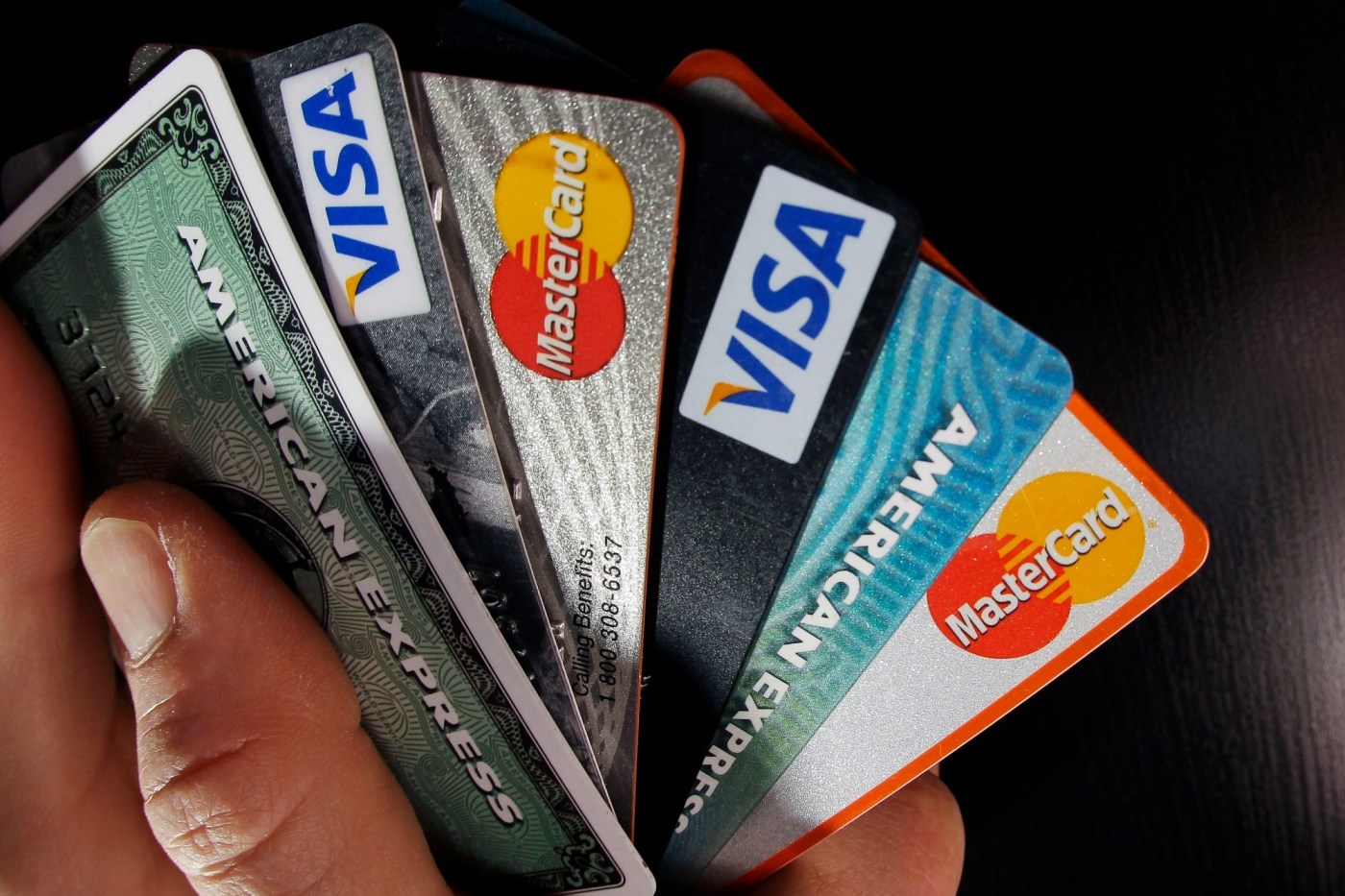
Take legislation introduced earlier this year by what would have once been an unlikely duo: Sens. Josh Hawley of Missouri and Bernie Sanders of Vermont. Their “10 Percent Credit Card Interest Rate Cap Act,” also reflecting a Trump idea from the 2024 campaign, sounds compassionate. Who enjoys paying 25% interest?
In practice, price controls of all sorts are disastrous. Credit card interest rates are high because unsecured consumer lending is very risky. They’re the price for the lender taking a chance on a person. If the government artificially caps rates far below the market rate, banks will stop lending to riskier borrowers. That doesn’t just mean broke shopaholics. It includes the working single parent using a financial last resort before payday.
Just as rent controls can create a housing shortage by reducing the attractiveness of supplying those homes, interest-rate caps can create a credit shortage. They put millions of working-class Americans at risk of being “de-banked.” Stripped of their credit cards, some will turn to payday lenders, loan sharks and pawn shops, whose charges are far higher.
It gets worse. A cap this low wouldn’t merely shrink credit availability; it would invert it. At 10%, banks would only lend to the safest, highest-income borrowers. Credit cards would become a luxury product for the affluent, a financial advantage while everyone else is pushed into the financial shadows
Then there’s the fact that millions of small businesses rely on credit cards. According to a Federal Reserve survey of small businesses, half of employer firms use them to fund operations. Cards function as unsecured working-capital lines for firms that lack collateral or a long credit history. A 10% cap would push them toward far costlier and riskier alternatives.
And forget about travel miles or cash back. Those programs are funded by interest charges, which a 10% cap would wipe out. When lenders cannot price risk through market rates, they shift the cost to higher fees, shorter grace periods and more hidden charges. Consumers don’t necessarily pay less; they just pay differently and more opaquely.
Finally, because credit cards are the primary way tens of millions of Americans build credit histories, a cap would destroy a crucial ladder into the financial mainstream.
It would be comical if it weren’t so harmful. A policy sold as pro-worker could lock millions of workers out of the modern credit economy and transform a household staple into something available only to those with the least need for consumer credit.
Hawley and Sanders rail against credit card companies as “loan sharks” for charging 25% interest. As Dominic Pino pointed out a few months ago at National Review, many of their closest political allies in organized labor offer their own members branded credit cards at 15%, 20% or even 28%.
At the time, the AFL-CIO’s “Union Plus” Mastercard ranged up to 25.15%. The National Education Association’s card reached 28.24%. SEIU members could get a card at 28.99%. The Teamsters’ card charged 27.49%, and Capital One paid the union more than $4 million in royalties to promote it. If 10% is the moral ceiling, it’s not just credit card companies who are guilty.
The strange new alliance between democratic socialists and nationalist populists isn’t a sign of political healing. It’s a sign that people have lost their grip on basic economics. They’ve decided that markets can be bullied, risk forbidden and prices commanded into submission. But magical thinking still produces real-world shortages when put into practice.
If this is the new bipartisan consensus, the worst thing being capped is common sense.