Today January 5, 2026, 08:35 PM
Today January 5, 2026, 08:35 PM
By Reade Pickert | Bloomberg
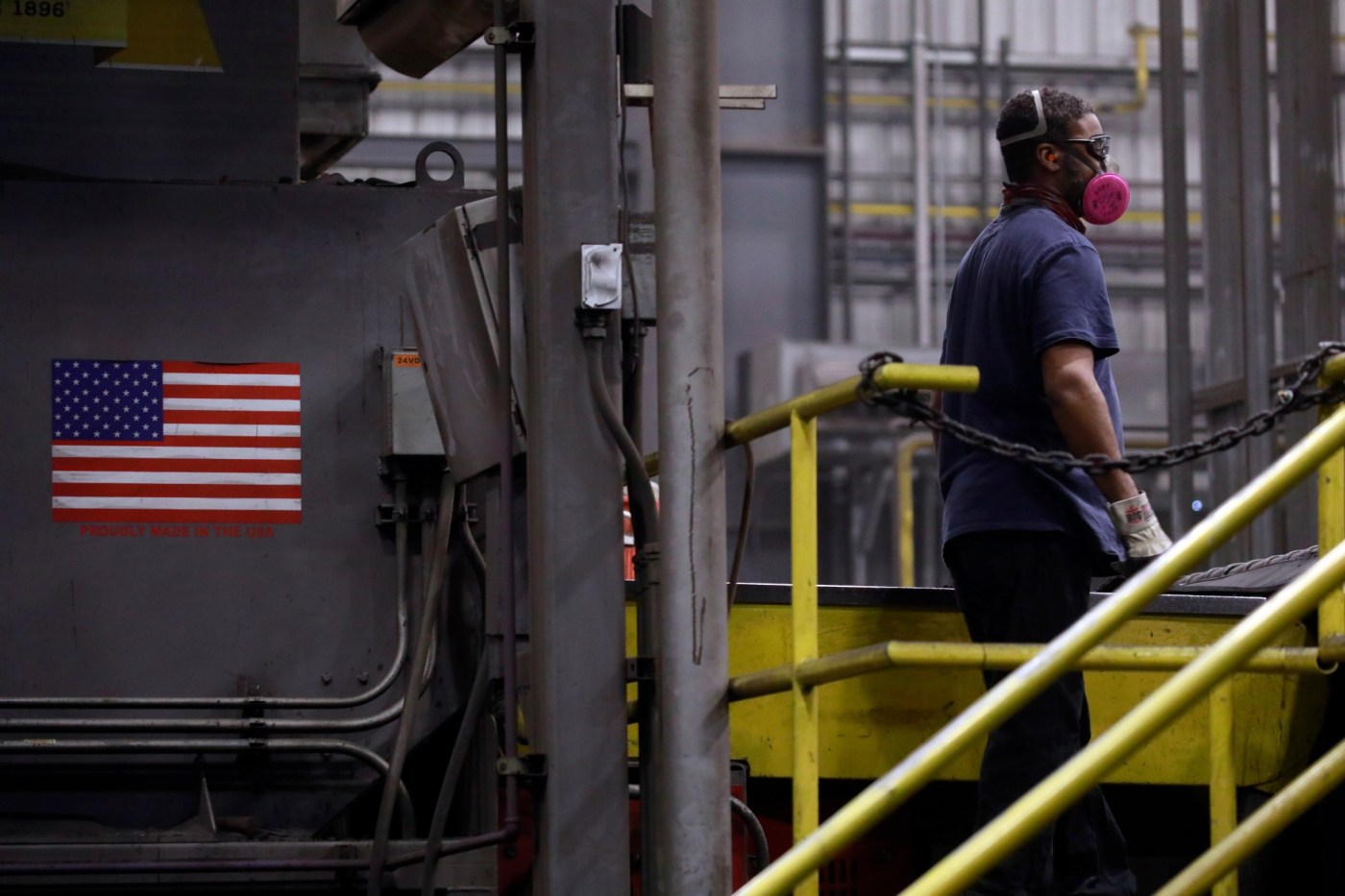
US manufacturing activity shrank in December by the most since 2024, capping a rough year for American factories.
The Institute for Supply Management’s manufacturing index edged down to 47.9 from 48.2, according to data released Monday. The measure has been below 50, which indicates contraction, for 10 straight months.
The decline in the measure reflected producers drawing down their raw materials inventories at the fastest rate since October 2024. That indicates many firms are relying on existing stockpiles to satisfy tepid demand.
Plus, materials costs remain elevated. The ISM prices-paid index, which held at 58.5 last month, is 6 points higher than it was at the end of 2024.
New orders contracted for a fourth month and export bookings remained weak, based on the ISM data. Headcount shrank for an eleventh straight month, albeit at a slower pace, amid modest production growth.
“US manufacturing remained in contraction mode for most of 2025, and today’s report doesn’t indicate a turnaround anytime soon,” Priscilla Thiagamoorthy, senior economist at BMO Capital Markets, said in a note. “Weakness in the factory sector is expected to persist, even as the broader economy continues to expand.”
One bright spot in the report was customer inventories shrank at the fastest pace since October 2022, suggesting factory orders and production could firm in coming months.
Still, tariffs and the overall economic uncertainty that President Donald Trump’s shifting trade policy caused during his first year in office have proved challenging for many companies as they weighed expansion plans.
“It has not been a great year. We have had some success holding the line on costs; however, real consumer spending is down and tariffs are ultimately to blame.” — Chemical Products
“Trough conditions continue: depressed business activity, some seasonal but largely impacted by customer issues due to interest rates, tariffs, low oil commodity pricing and limited housing starts.” — Machinery
“Things are quieter regarding tariffs, but prices for all products remain higher. Our costs have increased, so we have increased prices for our customers to compensate. Margins have deteriorated, as full pass through (of cost increases) is not possible.” — Computer & Electronic Products
“Things are not improving in the transportation equipment market. Many customers are ordering for 2026, but those orders are 20% to 30% below their historical buying patterns.” — Transportation Equipment
“Order levels have continued to decline: We had a bad October, an awful November and a dismal December. January and February don’t look too good, as bookings are down 25% compared to the first two months of 2025.” — Fabricated Metal Products
“Morale is very low across manufacturing in general. The cost of living is very high, and component costs are increasing with folks citing tariffs and other price increases.” — Electrical Equipment, Appliances & Components
Fifteen industries, led by apparel, wood products and textiles, contracted in December. Just two industries reported growth, the fewest since the end of 2023, the ISM report showed.
But looking ahead, abating tariff uncertainty and the passage of the One Big Beautiful Bill Act are anticipated to offer a tailwind to capital expenditures this year.
“We take the downside surprise in December’s ISM Manufacturing PMI with a grain of salt. The headline index was dragged down by a faster decline in inventories — but with customer inventories also low, we expect factories to see improved demand in the months ahead,” said Stuart Paul, a Bloomberg economist.
The ISM’s gauge of imports shrank to a seven-month low, while supplier delivery times slowed and order backlogs continued to shrink.