Today November 26, 2025, 12:04 AM
Today November 26, 2025, 12:04 AM
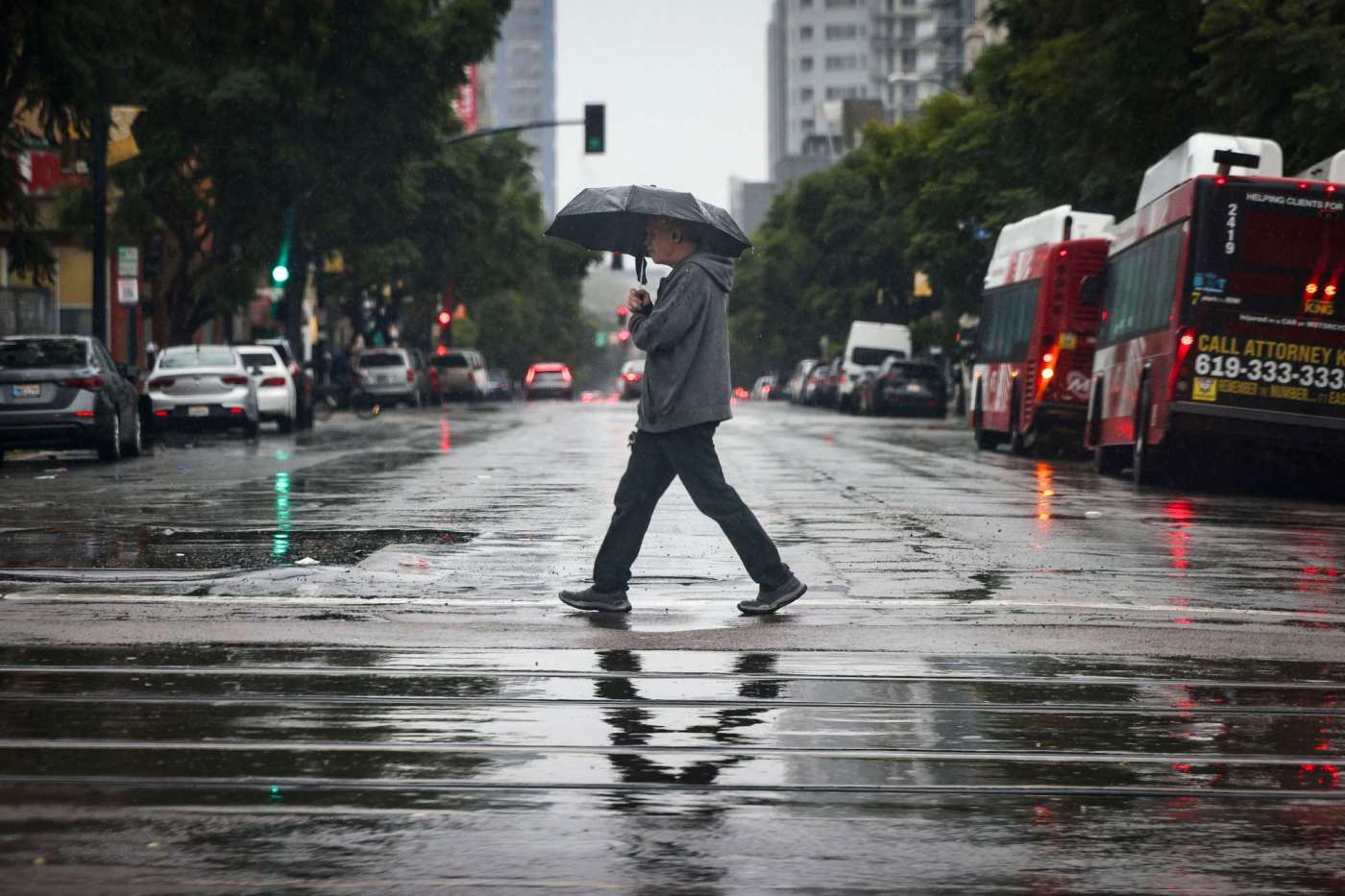
Recent storms in Southern California have significantly lowered the threat of wildfires, so much so that the National Weather Service is planning to transition to a low- fire-risk season early next month. But the possibility of new blazes sparking hasn’t vanished, experts warn, since the region never really emerges from fire season.
The NWS and other local fire experts made the determination to move into low-risk fire season after Southern California got hit with several storms in November that brought lots of rain, in addition to increased vegetation moisture, according to Rose Schoenfeld, a meteorologist with the NWS.
“The fuels just will not be as flammable and that will make all the difference,” Schoenfeld said.
But even with recent rains, the risk of fires sparking up remains.
“Obviously, if it’s wet, it can’t burn, but California doesn’t really ever go out of fire season,” said Maggie Cline De La Rosa, a spokesperson for Cal Fire/ Riverside County Fire Department. “The rain has helped quite a bit. However, we still stay prepared. We’re still ready for any fires that may occur,” she added.
According to the NWS, here’s the preliminary amount of rain the region has received in November:
If rains don’t return in several months, the region could be back in a high fire-risk season.
“One of the kinds of things that happens when we receive a rain event like we did is it inspires the growth of grass. So we’ll get grass that now grows and when we have a period of prolonged drought or dryness, that grass dries out very rapidly. So, with the good, there’s always some bad,” said Capt. Greg Barta, a spokesperson for the Orange County Fire Authority.
That dry vegetation combined with dry Santa Ana winds could be a recipe for rapid fire growth in the future, Capt. Barta added.
Experts advised residents to use this low fire risk period to prepare for future extreme weather events.
Capt. Barta recommended people create a “defensible space” or a buffer zone between homes and the surrounding area, and to come up with an evacuation plan.