Today November 19, 2025, 08:21 PM
Today November 19, 2025, 08:21 PM
By MATTHEW BROWN, Associated Press
BILLINGS, Mont. (AP) — President Donald Trump’s administration moved Wednesday to roll back protections for imperiled species and the places they live, reviving a suite of changes to Endangered Species Act regulations during the Republican’s first term that were blocked under former Democratic President Joe Biden.
The changes include the elimination of the Fish and Wildlife Service’s “blanket rule” that automatically protects animals and plants newly classified as threatened. Government agencies instead would have to craft species-specific rules for protections, a potentially lengthy process.
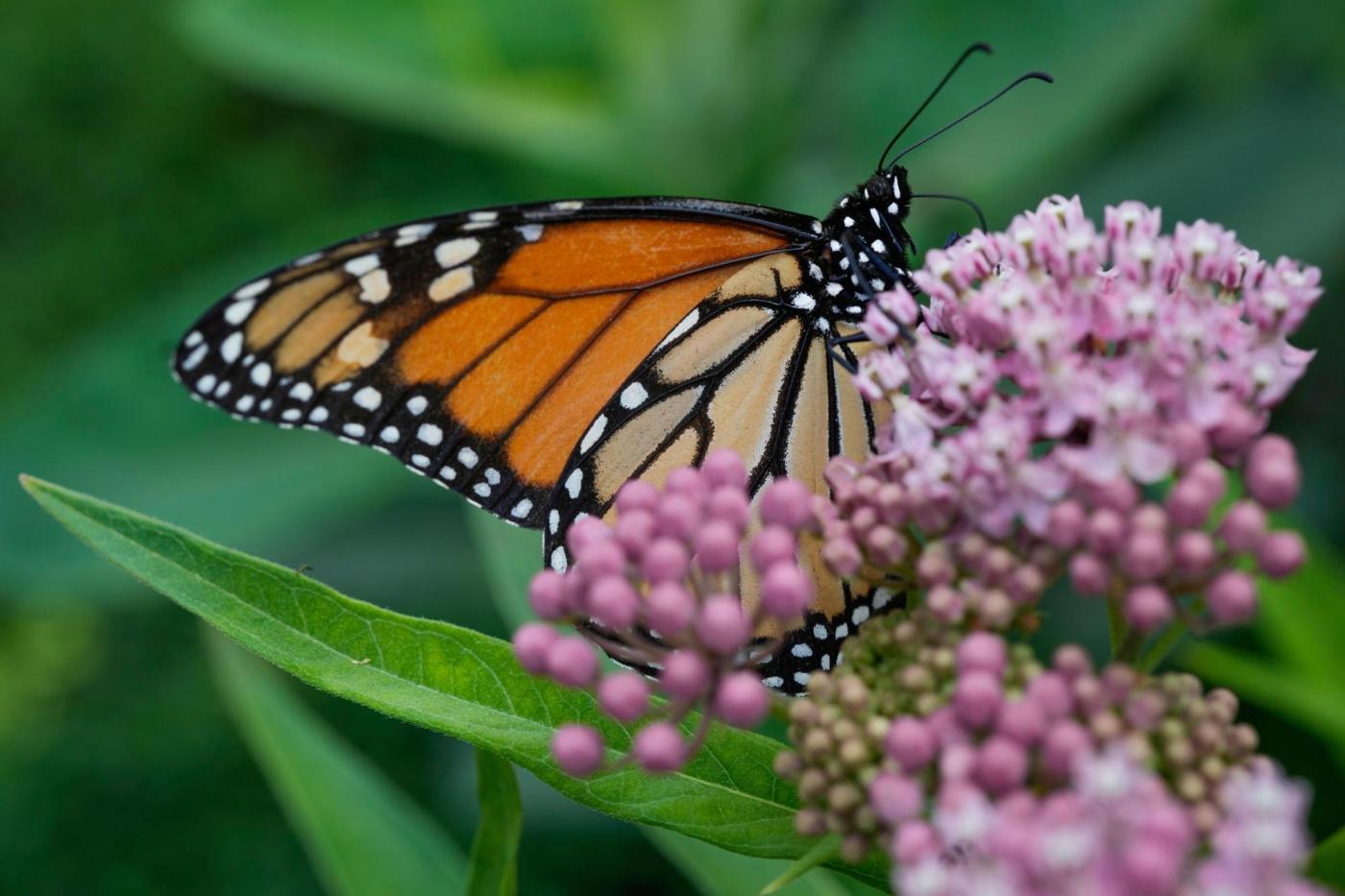
Environmentalists warned the changes could cause yearslong delays in efforts to save species such as the monarch butterfly, Florida manatee, California spotted owl and North American wolverine.
“We would have to wait until these poor animals are almost extinct before we can start protecting them. That’s absurd and heartbreaking,” said Stephanie Kurose with the Center for Biological Diversity.
The proposals come as extinctions have accelerated globally because of habitat loss and other pressures. Prior proposals during Trump’s second term would revise the definition of “harm” under the Endangered Species Act and potentially bypass species protections for logging projects in national forests and on public lands.
Interior Secretary Doug Burgum said in a statement that the administration was restoring the Endangered Species Act to its original intent while respecting “the livelihoods of Americans who depend on our land and resources.”
The changes answer longstanding calls for revisions to the 1973 Endangered Species Act from Republicans in Congress and industries including oil and gas, mining and agriculture. Those critics argue the law has been wielded too broadly, to the detriment of economic growth.
Another change proposed Wednesday tasks officials with weighing potential economic impacts when deciding what habitat is critical to the survival of a species.
“These revisions end years of legal confusion and regulatory overreach, delivering certainty to states, tribes, landowners and businesses while ensuring conservation efforts remain grounded in sound science and common sense,” Burgum said in a statement.
The Interior Department was sued over the blanket protection rule in March, by the Property and Environment Research Center (PERC) and Rocky Mountain Elk Foundation. The two groups argued the rule was illegal and discouraged states and landowners from assisting in species recovery efforts.
PERC Vice President Jonathan Wood said Wednesday’s proposal was a “necessary course correction” from the Biden administration’s actions.
“This reform acknowledges the blanket rule’s unlawfulness and puts recovery back at the heart of the Endangered Species Act,” Wood said.